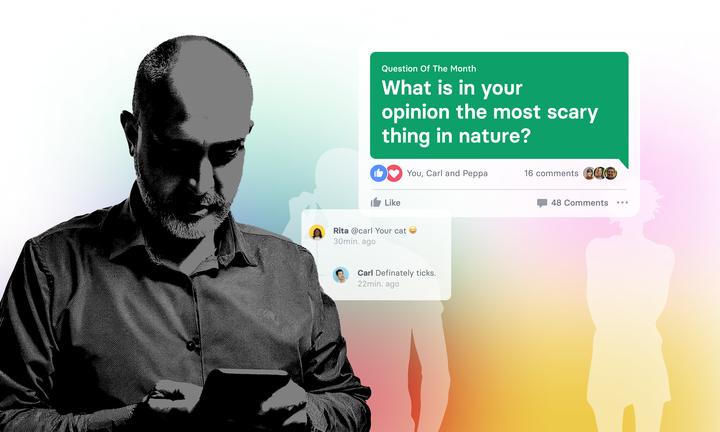

The future of audience growth isn’t about casting the widest net—it’s about creating the deepest connections. Micro-communities represent a fundamental shift from mass marketing to intimate engagement, where brands cultivate small, highly engaged groups of passionate advocates rather than pursuing millions of passive followers.
Unlike traditional social media audiences that often remain anonymous and disconnected, micro-communities consist of 50 to 500 deeply engaged members who actively participate, share experiences, and drive meaningful conversations. What Are Micro-Communities and Why They Matter in 2026 | Metricool highlights that these intimate groups generate 10x higher engagement rates than broader social channels, with members spending significantly more time interacting with content and each other.
The importance extends beyond vanity metrics. These concentrated communities become powerful conversion engines, where trust-based relationships translate directly into customer loyalty, word-of-mouth referrals, and sustainable revenue growth. In practice, a micro-community of 200 engaged members often delivers more business value than 20,000 casual followers.
This intimate approach addresses the growing consumer demand for authentic connections and personalized experiences, setting the foundation for understanding exactly how these small-scale communities can drive exponential audience growth.
How micro-communities drive audience growth
The magic of micro-communities lies in their ability to transform passive followers into active brand advocates through authentic relationship-building. Unlike traditional marketing approaches that rely on broadcasting to massive audiences, micro-communities create intimate spaces where every member feels valued and heard.
When members develop genuine connections within these smaller groups, they naturally become more invested in the community’s success. This emotional investment translates into higher engagement rates, increased content sharing, and most importantly, organic word-of-mouth recommendations that drive sustainable audience growth.
Research from Kantar indicates that consumers increasingly prioritize authentic brand interactions over broad marketing messages. Micro-communities excel at delivering these meaningful experiences by fostering two-way conversations rather than one-directional promotion.
The compound effect is powerful: engaged community members don’t just stay longer—they actively recruit others who share similar interests and values. This creates a self-perpetuating cycle where quality audience growth happens naturally through trusted recommendations rather than expensive advertising campaigns.
However, success requires patience and genuine commitment to community value over quick wins. The strongest micro-communities grow slowly but steadily, building unshakeable foundations for long-term audience development that withstands algorithm changes and market fluctuations.
Key platforms for building micro-communities in 2026
The platform landscape for niche communities has evolved dramatically, with traditional social networks giving way to more intimate, purpose-built spaces. Discord continues to dominate for real-time conversations, offering voice channels and threaded discussions that foster deeper connections than typical social media interactions.
Private Facebook Groups remain surprisingly effective, particularly for professional niches where members seek exclusive insights and networking opportunities. Hootsuite’s research indicates that closed groups see 40% higher engagement rates than public pages, making them ideal for cultivating tight-knit communities.
Emerging platforms like tchop are capturing attention by offering native community features that larger platforms lack. Such a specialized tools provides member directories, event scheduling, and many more features to build a community you fully own.
LinkedIn’s newsletter and event features have quietly become powerful community-building tools for B2B audiences, while Substack’s chat functionality enables writers to transform their subscriber base into interactive communities rather than passive readerships.
The key isn’t choosing the trendy platform—it’s selecting where your specific audience naturally gathers and feels comfortable engaging authentically. This strategic platform selection sets the foundation for deciding whether to build from scratch or join existing communities.
Comparison: Building vs. joining micro-communities
When pursuing micro-community growth, brands face a fundamental strategic decision: should you build your own community from scratch or integrate into existing ones? Each approach offers distinct advantages that align with different business objectives and resource constraints.
Building your own micro-community provides complete control over brand messaging, community guidelines, and member experience. You can tailor every interaction to reflect your brand values while gathering valuable first-party data. However, this path requires significant time investment and consistent content creation to maintain engagement. Community, experiences, and ‘micro-moments:’ How retailers will build loyalty 2026 reveals that successful brand-owned communities typically take 6-12 months to reach meaningful engagement levels.
Joining established micro-communities offers immediate access to engaged audiences and reduces startup costs. You can leverage existing community dynamics while building authentic relationships with potential customers. The trade-off involves less control over the environment and potential competition from other brands within the same space.
The most effective approach often combines both strategies—building a flagship community while maintaining strategic presence in relevant existing communities to maximize reach and credibility.
Checklist: Steps to cultivate a thriving micro-community
Building engaged communities requires a systematic approach that prioritizes genuine connection over rapid expansion. Here’s a practical framework for nurturing micro-community growth:
Define Your Community Purpose
- Establish a clear mission that resonates with your target audience
- Identify the specific problem or passion your community addresses
- Create community guidelines that reflect your values and goals
Launch Small and Intimate
- Start with 20-50 highly engaged members rather than hundreds of passive ones
- Focus on quality interactions over quantity metrics
- Host micro-events that bring members together around shared interests
Foster Authentic Engagement
- Encourage member-to-member connections, not just brand-to-member interactions
- Share behind-the-scenes content that builds emotional investment
- Respond personally to community contributions within 24 hours
Measure Community Health
- Track engagement depth rather than follower counts
- Monitor conversation threads and repeat participation rates
- Survey members quarterly about their community experience
This foundation sets the stage for understanding how community leaders can amplify your micro-community’s reach through authentic influence.
The role of micro-influencers in micro-communities
Micro-influencers serve as natural catalysts for micro-community growth, bridging the gap between brands and highly engaged niche audiences. Unlike macro-influencers who broadcast to millions, micro-influencers typically have 1,000 to 100,000 followers within specific interest areas, creating more intimate and authentic connections.
These influencers excel at fostering brand loyalty through genuine recommendations and personal storytelling. Their smaller follower counts translate into higher engagement rates—often 60% better than macro-influencers—and more meaningful conversations within their communities. When micro-influencers champion a brand or cause, their audiences view it as a trusted friend’s recommendation rather than traditional advertising.
The symbiotic relationship works both ways: micro-influencers gain access to exclusive content and experiences to share, while brands benefit from organic word-of-mouth marketing within tightly-knit communities. This approach proves particularly effective for niche products or services where specialized knowledge and authentic enthusiasm drive purchasing decisions.
However, successful micro-influencer partnerships require careful vetting and alignment with community values, as authenticity remains paramount in these intimate spaces.
Limitations and considerations
While micro-communities offer powerful growth opportunities, they’re not without challenges that brands must carefully navigate. Resource intensity represents the primary barrier—cultivating authentic relationships requires significant time investment that doesn’t always translate to immediate returns.
Scale limitations present another consideration. Unlike broad-reach campaigns, micro-communities cap growth potential by their very nature. Building multiple communities to achieve larger reach multiplies complexity and resource requirements exponentially.
The reliance on micro-influencers creates vulnerability points. When key community leaders move on or lose interest, entire micro-communities can fragment rapidly. Additionally, maintaining authentic engagement becomes increasingly difficult as communities grow beyond their optimal size threshold.
Measurement challenges compound these issues. Traditional metrics often fail to capture the nuanced value of deep community engagement, making ROI justification difficult for stakeholders accustomed to vanity metrics.
However, these limitations shouldn’t deter strategic implementation. Understanding these constraints upfront allows brands to set realistic expectations and develop sustainable growth strategies. The key lies in viewing micro-communities as long-term relationship investments rather than quick-win tactics.
These considerations become clearer when examining real-world applications across different industries and use cases.
Example scenarios: Successful micro-community growth
Understanding how brands successfully leverage micro-communities becomes clearer through real-world applications. Fitness brands often create specialized groups around specific workout styles—like kettlebell enthusiasts or yoga practitioners—where members share progress photos, technique tips, and motivation. These focused environments foster a deeper connection than broad fitness communities ever could.
Sustainable fashion brands excel at building micro-communities around specific values like zero-waste living or ethical manufacturing. Members don’t just discuss clothing; they share DIY repair techniques, swap items, and collaborate on sustainability challenges. This approach transforms customers into passionate advocates who actively recruit others with similar values.
Local food businesses create micro-communities around seasonal ingredients or cooking techniques, hosting virtual cooking sessions and ingredient swaps. A craft brewery might build a community specifically for homebrewers, sharing recipes and hosting tasting events that strengthen local connections.
The pattern across successful scenarios involves brands identifying ultra-specific interests within their broader audience, then creating dedicated spaces where those interests can flourish. These examples demonstrate how focused community building translates into measurable business growth through enhanced loyalty and organic reach expansion.
Key takeaways
Micro-communities represent a fundamental shift in audience development, emphasizing quality engagement over quantity metrics. These intimate digital spaces foster authentic relationships that translate into measurable business outcomes, from higher conversion rates to increased customer lifetime value.
The strategic approach matters more than the platform choice. Successful micro-community growth requires consistent nurturing, genuine value creation, and patience for organic development. Brands that treat these spaces as broadcasting channels rather than conversation hubs typically see limited results.
Resource allocation becomes critical—micro-communities demand sustained attention and authentic engagement from brand representatives. However, the investment pays dividends through deeper customer insights, stronger brand loyalty, and more effective word-of-mouth marketing.
The landscape continues evolving rapidly, with new platforms and features emerging regularly. What remains constant is the fundamental human desire for meaningful connection and specialized knowledge sharing within trusted groups.
As traditional advertising effectiveness continues declining, micro-communities offer brands a sustainable path to audience growth that builds genuine relationships rather than temporary attention. This foundation becomes increasingly valuable as consumer expectations for authentic brand interactions continue rising.
Is content marketing still a reliable way to acquire users in 2026?
Content marketing remains effective for user acquisition, but micro-communities are redefining how content performs. Traditional broad-reach content strategies increasingly struggle against algorithm changes and attention fragmentation, while community-focused content drives significantly higher engagement rates.
The key shift involves creating community-centric content rather than general audience pieces. This means developing content specifically designed to spark conversations within micro-communities, encourage member participation, and strengthen group identity. What typically happens is that content performs best when it addresses specific community challenges or celebrates shared interests.
Content distribution through micro-communities amplifies reach organically. Members naturally share relevant content with their networks, creating authentic word-of-mouth marketing that algorithms favor. However, success requires understanding each community’s unique culture and communication preferences.
The limitation lies in scale versus depth trade-offs. While micro-community content generates higher conversion rates, it reaches fewer people initially. Brands must balance broad awareness campaigns with targeted community content strategies.
This evolution in content marketing effectiveness directly connects to choosing the most strategic approach for sustained audience growth.
What’s the most effective audience-building strategy that actually works in 2026?
The most effective audience-building strategy combines authentic micro-community engagement with consistent value delivery. Rather than chasing viral moments, successful brands focus on cultivating dedicated micro-audiences through regular, meaningful interactions.
Hybrid community-content approaches consistently outperform single-channel strategies. This means simultaneously maintaining intimate community spaces while producing content that attracts new members organically. The key differentiator is reciprocal engagement – brands that actively participate in conversations rather than just broadcasting messages see significantly higher retention rates.
Event-driven community building emerges as particularly powerful. Small-scale experiences create lasting audience connections because they transform passive followers into active community participants. These micro-events, whether virtual or in-person, create shared experiences that strengthen community bonds.
The winning formula prioritizes consistency over perfection. Brands succeeding in 2026 maintain regular touchpoints with their micro-communities, respond promptly to member contributions, and adapt their approach based on community feedback. This creates a virtuous cycle where engaged members become organic advocates, naturally expanding the community through authentic recommendations.
However, this strategy requires significant time investment and genuine commitment to community relationships – making it less suitable for brands seeking immediate scale.
Can micro-interactions in social media posts actually boost audience growth?
Micro-interactions—those small engagement moments like replies, saves, and shares—create compounding visibility effects that traditional metrics often miss. When community members consistently interact with your content through comments and saves, social algorithms interpret this as high-value content worth promoting to similar audiences.
The key lies in engagement quality over quantity. A post receiving five thoughtful comments from active micro-community members often outperforms content with dozens of generic reactions. These meaningful interactions signal authentic community interest, triggering algorithm preferences for extended reach.
However, micro-interactions work differently across platforms. LinkedIn favors professional commentary that sparks discussion threads, while Instagram prioritizes saves and shares within niche communities. The most effective approach focuses on creating “conversation starters” rather than announcement posts.
What typically happens is that consistent micro-interactions build momentum over time. Community members who regularly engage with your content become unofficial advocates, extending your reach through their own networks. This organic amplification proves more valuable than paid promotion for sustainable audience growth.
The strategy requires patience—micro-interactions accumulate slowly but create lasting community connections that translate into meaningful business relationships and opportunities.
How to find the right online communities that are most likely to drive growth
The strategies covered throughout this guide converge on one fundamental truth: micro-communities represent the future of sustainable audience growth. Rather than chasing vanity metrics across massive platforms, successful brands in 2026 focus on cultivating meaningful connections within smaller, engaged communities where authentic relationships can flourish.
The shift toward micro-community engagement isn’t just a trend—it’s a strategic response to declining organic reach and increasing user demand for genuine connections. When you prioritize quality interactions over quantity, invest in platform-specific content strategies, and consistently provide value through educational resources and behind-the-scenes content, you create the foundation for long-term audience loyalty.
Key takeaways for 2026
- Start small: Target communities with 500-5,000 active members for maximum engagement potential
- Value first: Lead with helpful content before promoting your brand or products
- Consistency wins: Regular participation in 3-5 communities outperforms sporadic activity across dozens
- Measure meaningfully: Track relationship-building metrics like comment quality and repeat interactions
The most effective audience-building strategy combines authentic micro-community engagement with consistent value delivery. As digital spaces become increasingly fragmented, brands that master the art of genuine community participation will build the most resilient and engaged audiences.
Ready to implement these strategies? Begin by identifying just one micro-community where your ideal audience gathers, then commit to providing valuable contributions for the next 30 days.