
A recruiter’s post went around this summer listing what companies think their best people want. Quarterly pizza parties, two slices max. A potluck the HR team “sponsored” by bringing napkins. Unlimited PTO that nobody actually takes. It collected hundreds of likes in a day because everyone recognized the list.
The joke works because the gap is real. Most employee experience budgets buy perks. And perks are the first thing people stop believing in.
Look past the sarcasm and the same three ideas keep surfacing in what employees, HR leaders, and researchers are saying right now. None of them is a perk. Each one is about being seen, heard, and treated as if you will still be around in three years.
Give employees a stage, not just a memo
The highest-engagement idea circulating right now is also the one most internal comms teams underuse: let employees create and share their own content.
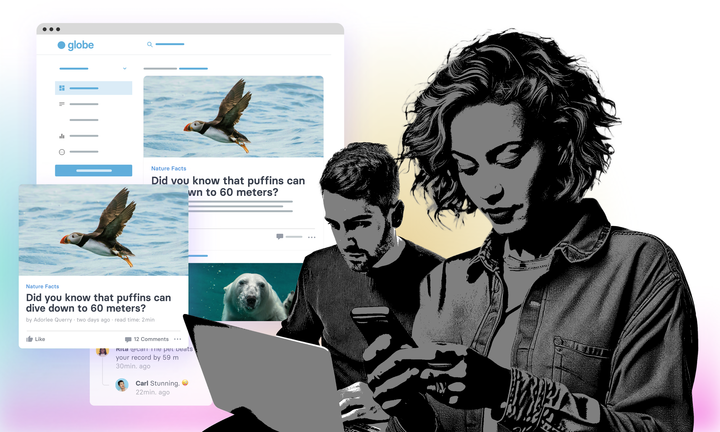
A blog from someone on the shop floor. A short video walkthrough from a project lead. A “how we fixed this” post from support. When employees publish, they bring a voice no top-down channel can copy. It signals that their perspective carries weight, and it gives the whole organization a source of stories that HQ would never have found on its own.
This is not a vanity exercise. Employee-created content reaches further and gets more trust than the official announcement, because people believe their colleagues before they believe the newsletter. The job of internal comms shifts from producing everything to running the place where anyone can contribute.
Recognition that happens every week, not once a year
Recognition is the one idea nobody argues with. The framing is what has changed.
The annual awards ceremony does almost nothing for daily morale. What moves the needle is recognition that shows up often enough to feel like part of the work. Cisco describes its own approach as making recognition “frequent and broad enough” that it stops being an occasional event. The data backs this up: highly engaged employees are the ones getting feedback weekly, not quarterly.
The mechanics matter less than the rhythm. A shout-out that any colleague can post, across teams and levels, for something specific. A win from one department made visible to the rest of the company instead of staying locked in its corner. Done regularly, recognition stops feeling like an HR program and starts feeling like how the place works.
Respect compounds. Perks don’t.
The loudest signal underneath all of it is simple: employees can tell when they are treated as replaceable, and they respond by treating the job the same way.
Employers who think short-term build no loyalty. Employers who invest in people over years get it back with interest. This is not sentiment. Gallup’s research puts managers behind roughly 70 percent of the variation in engagement scores, which means the everyday experience of being managed well, or badly, outweighs almost any perk you could add on top.
So the honest question for any employee experience plan is not “what can we hand out.” It is “does the daily experience here signal respect.” A well-run one-to-one does more than a gift card. A manager who acts on feedback does more than a wellness app nobody opens.
What the three have in common
Employee experience is not a line item you distribute. It is an environment you build. Employee-led content, everyday recognition, and visible respect all need the same thing underneath them: a place where people can post, respond, and see each other, not just receive announcements.
For most organizations, that place does not exist yet. Communication is split across email, intranet pages nobody visits, and chat tools that reach only the people at a desk. The frontline and the field get missed entirely.
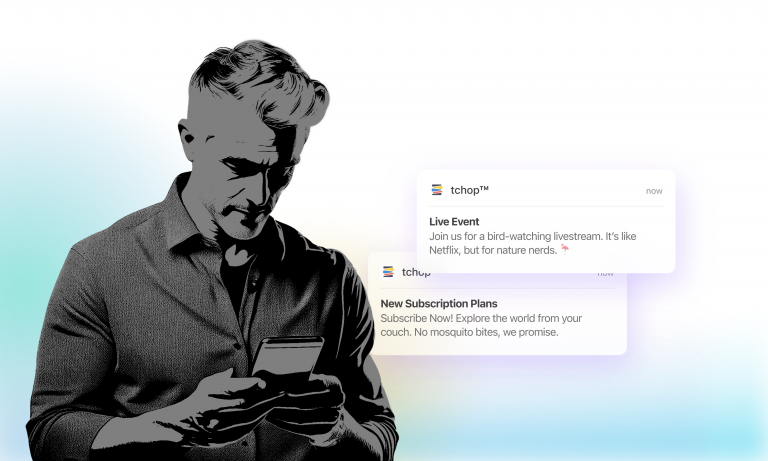
This is the shift tchop is built for. One branded app that reaches every employee, including the ones without a company email or laptop. A space where recognition, employee stories, and two-way conversation happen in the open, and where AI agents handle the repetitive distribution work so a lean team can keep the human parts human. That is the move from employee communication to employee experience, and from top-down broadcasts to real interaction.
The pizza is optional. The place is not.
See how modern internal communication works in the AI era. Request a demo for employee apps.